
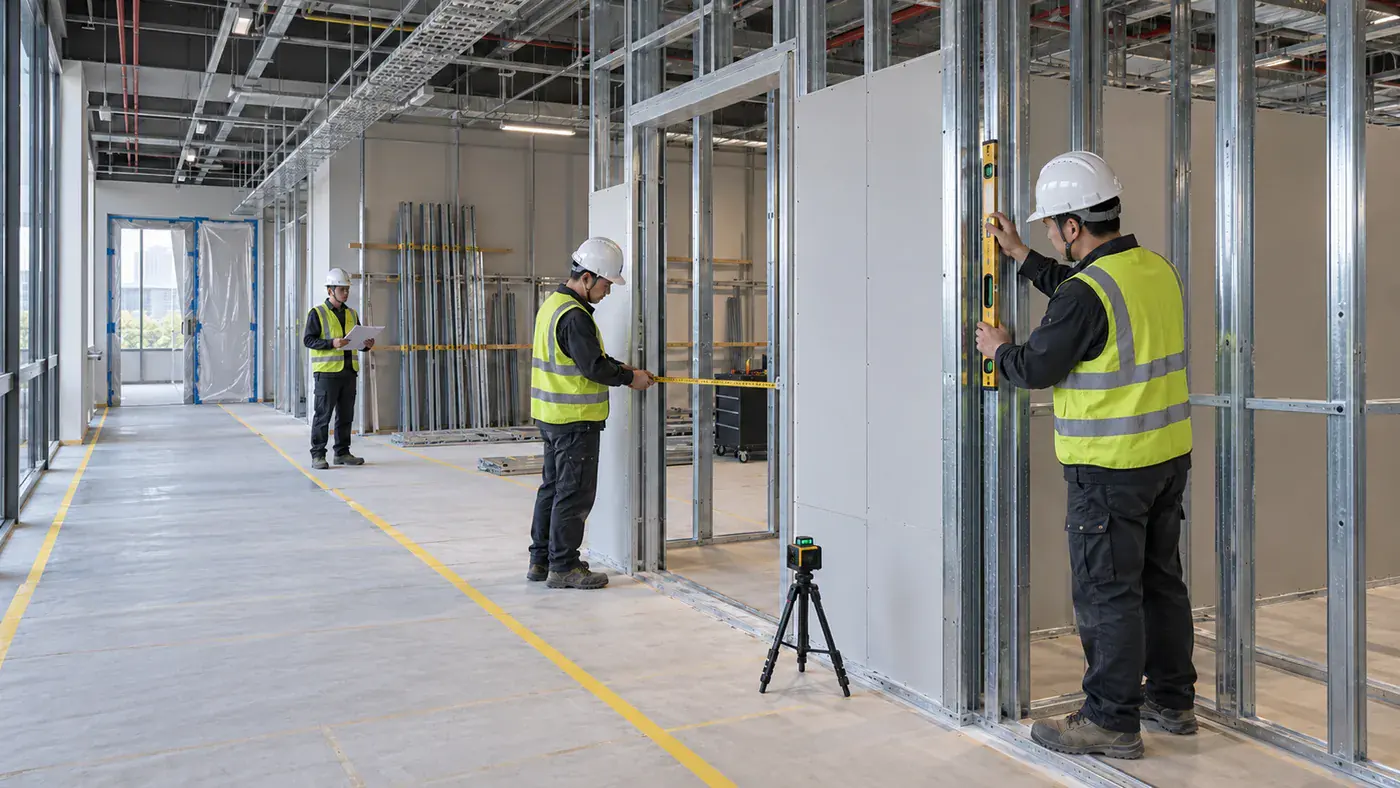
An approved visual concept can be a strong starting point for a showroom fit-out, but it is not automatically a fabrication package. If your overseas design team needs a contractor in China, the first practical task is to identify what is ready for pricing, what needs development and who has authority to approve the next drawings.
Describe the status of the design package
Label the material you are sending: concept, developed design, tender information or construction information. Include a drawing list, revision dates and the source files available for coordination. A contractor should be able to distinguish approved decisions from illustrative ideas and unresolved details.
State whether the original designer remains involved. An existing layout, material palette or brand treatment may need to be protected while local details are developed. Explain how questions will reach the design authority and who can approve a departure from the intent.
Prepare the information a fit-out contractor needs
| Information | Purpose |
|---|---|
| Plans, elevations and sections | Establish arrangement, heights, interfaces and the extent of the work. |
| Finish and exhibit schedules | Connect materials, fabrication items and quantities to the drawings. |
| Site photographs and survey status | Separate verified dimensions from assumptions requiring a site check. |
| Equipment and media requirements | Coordinate mounts, access, power, network, playback and content formats. |
| Landlord and project-team information | Identify access constraints, review processes and work by other parties. |
| Approval and procurement schedule | Show when drawings, samples, content and long-lead selections need decisions. |
Agree which party develops each detail
Ask the contractor to identify proposed shop drawings, setting-out information and coordination reviews. For each item, record who prepares it, who reviews it and what it must demonstrate. Treat a material sample, a colour reference and a prototype assembly as different approval tools.
Where the fit-out meets specialist building work, ask the relevant project professionals to confirm the requirements and responsibilities. Do not assume that appointing an exhibition contractor transfers every building, landlord or statutory responsibility into that appointment.
Resolve physical and digital interfaces before manufacture
A screen opening must account for the selected equipment, installation tolerances, ventilation and maintenance access. A product cabinet may need a mount for a real sample and a way to update the label. An interactive exhibit may depend on a network arrangement controlled by the client’s IT team.
Use a coordination issue list that names the decision, owner, due point and affected drawings. The construction and multimedia coordination guide explains the relationship between these packages. Agree how approved changes are issued to fabrication and site teams.
Request a proposal that exposes assumptions
Ask shortlisted contractors to list included deliverables, exclusions and allowances against the same drawing revision. If a detail cannot yet be priced, ask what information would make it firm. Record responsibility for protection, transport, installation, coordination, testing and handover.
Ask how progress can be reviewed from another country: the proposed meeting rhythm, drawing register, sample approvals and photographic records. Those are practical arrangements to discuss, not evidence that a project can proceed without decisions from the client or designer.
Turn reference projects into focused questions
The INHE case includes installation-stage photographs; the AAMI case separates site-video material from design visualizations. Use that distinction when asking a supplier to explain design development and delivery evidence. Confirm the scope actually performed rather than infer it from the imagery.
Send DASHI DIGITAL your design stage, project city and drawing list to discuss a showroom fit-out and fabrication scope in China. If only one package is required, identify it at the start so the proposal can address the work your existing project team needs.
Before your first discussion
Helpful Information
to Have Ready.
These details help us prepare a more focused discussion.
- Location (city / venue if known)
- Plans (if available)
- Audience (target visitors)
- Design stage
- Target opening window
- Budget range (if available)
The final scope and programme depend on your project and site conditions.